Senior Empowerment and Advocacy Hub
SEAH
The Senior Empowerment and Advocacy Hub (SEAH) Project is a community-driven initiative designed to improve the wellbeing, dignity, and quality of life of older persons. SEAH recognizes that ageing should not mean isolation, poverty, or exclusion, and works to ensure that older people remain active, respected, and supported members of society.
SEAH operates through locally based, senior-led hubs that serve as safe and welcoming spaces where older persons can gather, access support, share experiences, and participate in activities that enhance their social, economic, and physical wellbeing. These hubs are designed to respond to the real needs of older persons while promoting independence, leadership, and community ownership.
How SEAH Works
At the heart of SEAH is the belief that older persons are not beneficiaries alone, but leaders, mentors, and agents of change. Each hub is guided by a Senior Governance Council, made up of elected older community members. These councils help plan activities, manage hub operations, and ensure that the project remains relevant and responsive to the needs of seniors.
The hubs function as community centers where seniors can:
Meet regularly for peer support and social interaction
Learn new skills and strengthen their livelihoods
Access information and referrals to healthcare and social services
Share knowledge and mentor younger generations
Advocate for their rights and inclusion in community decision-making
This structure ensures that SEAH remains inclusive, empowering, and sustainable.
Key SEAH Activities
SEAH delivers a wide range of activities that address the multiple challenges faced by older persons:
Economic Empowement
Older persons participate in skills training, savings groups, table banking, and senior-led cooperative enterprises. These activities help seniors improve their incomes, reduce dependency, and support their households with dignity.

Social Support and Inclussion
The hubs provide a safe space for peer support groups, community dialogues, and social activities that reduce loneliness and isolation. Seniors build friendships, regain confidence, and strengthen their sense of belonging.

Health Awareness and Linkages
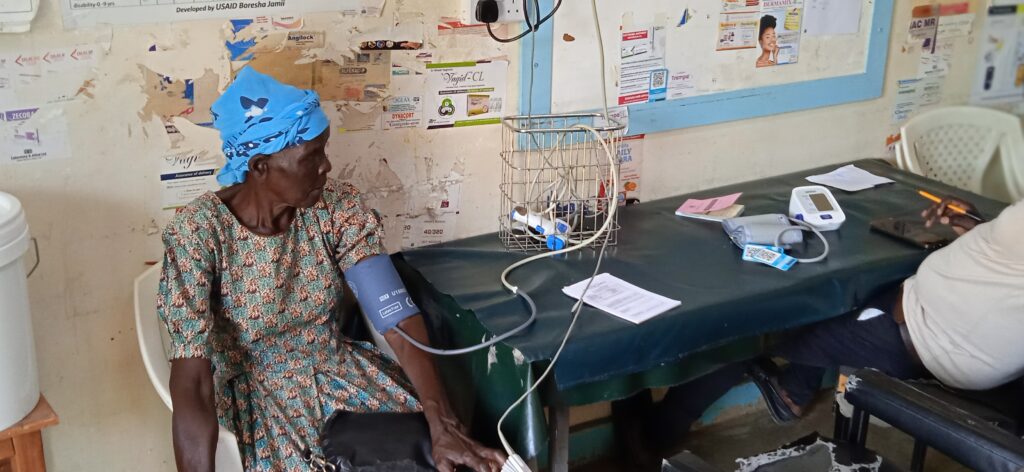
SEAH connects older persons to healthcare services through health education sessions, referrals, and outreach activities. Seniors receive information on managing chronic conditions, accessing health insurance, and improving overall wellbeing.
Intergenerational Engagement
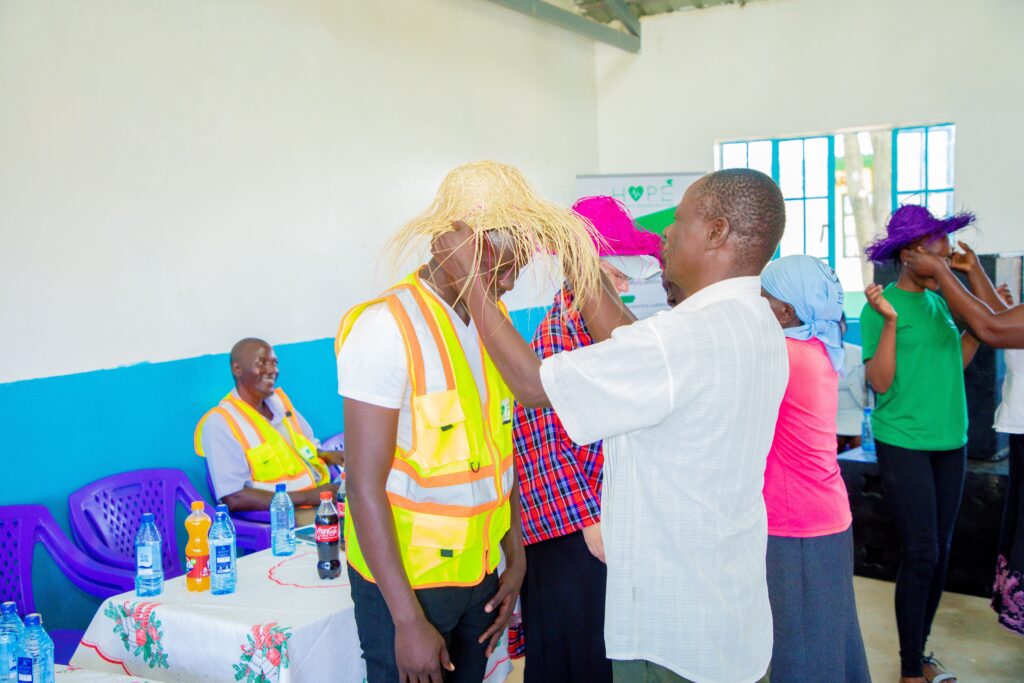
Through mentorship and knowledge-sharing activities, older persons interact with youth and children, passing on life skills, cultural values, and practical knowledge. This strengthens mutual respect and understanding across generations.
Advocacy and Civic Participation
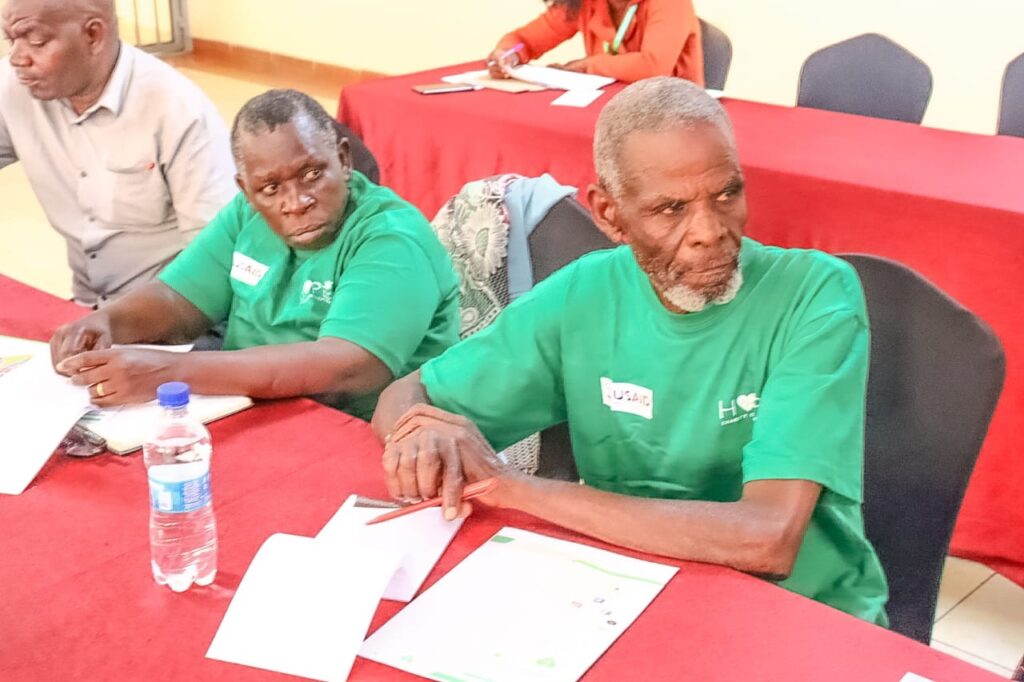
SEAH supports older persons to raise their voices on issues that affect them, including access to services, social protection, and age-friendly policies. Seniors participate in community forums and engage with local leaders to promote inclusive development.
Impact on Older Persons
Through SEAH, older persons are experiencing improved economic security, stronger social connections, better access to essential services, and renewed purpose in their daily lives. The project helps seniors move from isolation to participation, from dependency to empowerment, and from invisibility to recognition within their communities.
SEAH also contributes to building age-friendly communities where older persons are valued for their experience, knowledge, and contributions, rather than seen as a burden.
Community Ownership and Sustainability
SEAH is designed to be sustainable and community-owned. Senior Governance Councils, income-generating activities, partnerships with local institutions, and strong community involvement ensure that the hubs continue to operate and grow over time. By strengthening leadership among older persons and building local capacity, SEAH creates lasting change that extends beyond the project itself.